
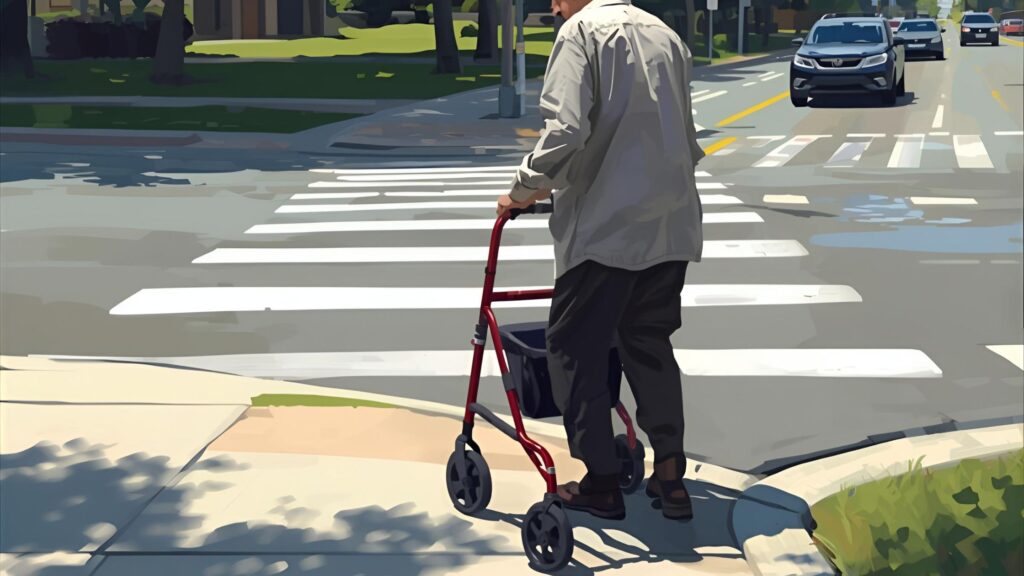
Promoting Safe Mobility for Seniors
Maintaining independence while moving safely is essential for seniors. Walkers for seniors provide support and stability, helping reduce the risk of falls indoors and outdoors. Proper use of mobility walkers for seniors can make daily tasks safer and more manageable, whether at home, in aged care facilities, or during outdoor activities. At Adelaide Healthcare Equipment, we provide a variety of walkers designed to enhance safety, comfort, and mobility for seniors and NDIS participants.Why Walker Safety Matters
Falls are a leading cause of injury among older adults. Using a walker incorrectly, or choosing an unsuitable model, can increase the risk of accidents. Key reasons walker safety is critical include:- Preventing slips and falls in high-risk areas
- Supporting posture and reducing strain on joints
- Enhancing confidence in mobility
- Promoting independence for seniors and NDIS participants
Choosing the Right Walker
Selecting a walker suited to the user’s needs is vital for safe mobility. Popular options include:1. Double Folding Rollator Walker
The Double Folding Rollator Walker is ideal for seniors who need both support and easy storage. Its foldable design makes it practical for indoor and outdoor use.2. Heavy Duty Rollator Walker
For users requiring greater stability and weight capacity, the Heavy Duty Rollator Walker offers reliable support. It is suitable for heavier seniors and provides safe manoeuvrability on various surfaces.3. Upright Rollator Walker
The Upright Rollator Walker encourages proper posture while walking, reducing strain on the back and shoulders.4. Walkers with Seats for Seniors
Walkers equipped with seats provide rest opportunities during long walks or while waiting in queues. Walkers with seats for aged care facilities are particularly useful for outdoor mobility.5. Foldable and Lightweight Walkers for Indoors and Outdoors
Lightweight walkers are easy to handle and transport, ideal for seniors with limited strength. Folding walkers for seniors allow seamless use indoors and outdoors while supporting independence.Indoor Safety Tips for Walker Users
- Keep pathways free of clutter, cords, and rugs
- Ensure floors are dry to prevent slips
- Adjust walker height so elbows bend at a comfortable 15–20 degrees
- Use both hands on the walker for stability
- Avoid carrying items in hands; use baskets or walker trays
Outdoor Safety Tips for Walker Users
- Choose walkers with appropriate wheels for outdoor terrain
- Watch for uneven surfaces, curbs, and wet grass
- Wear supportive footwear to prevent slips
- Take short steps and avoid rushing on inclines
- Consider using assistive mobility walkers for aged care for extended outdoor mobility
Occupational Therapist Recommendations and NDIS Options
Occupational therapists can provide personalized guidance, ensuring walkers meet the user’s mobility and safety needs. Seniors and NDIS participants may access funding for walkers through:- NDIS walkers for seniors: Funded mobility solutions tailored to individual requirements
- SWEP Adelaide support: Seniors can access senior walking frames supported by SWEP Adelaide for safety and independence
Maintenance and Care Tips for Walkers
Proper maintenance ensures long-term safety:- Check brakes, wheels, and handles regularly
- Tighten loose screws and bolts
- Clean walker frames to prevent rust or wear
- Replace worn grips or brakes promptly
- Store indoors when not in use to extend durability