
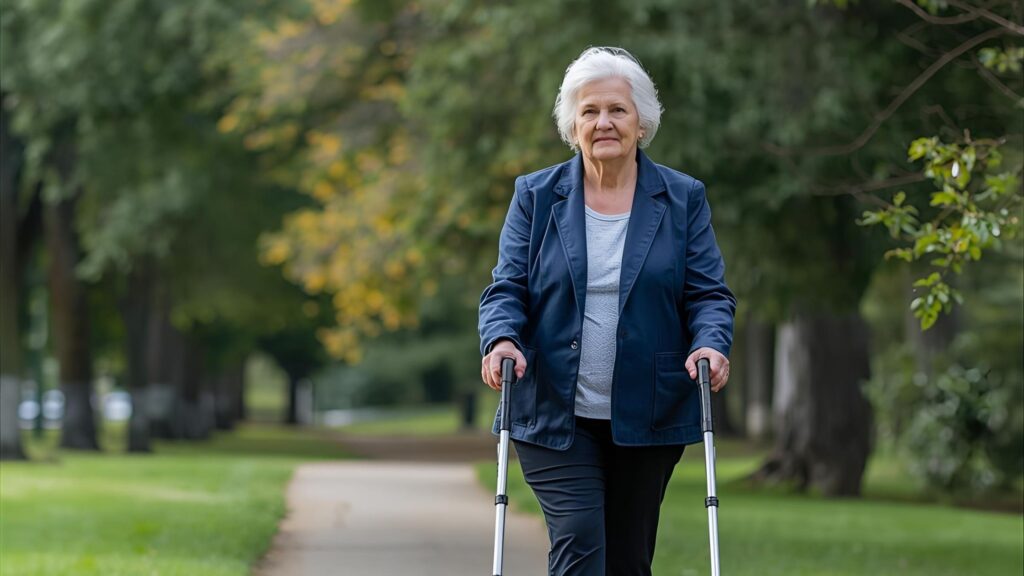
Enhancing Mobility and Independence
Maintaining mobility is essential for seniors to live independently and safely. Walkers for seniors provide stability, support, and confidence for those with limited strength, balance issues, or recovering from surgery. In Adelaide, a wide range of mobility walkers for seniors are available to suit different needs, lifestyles, and living spaces.
At Adelaide Healthcare Equipment, we offer practical solutions to improve mobility and independence, whether for home use, aged care facilities, or NDIS participants.
Why Walkers Are Important for Seniors
Walkers for elderly play a critical role in preventing falls, improving posture, and supporting safe movement. Some of the key benefits include:
- Reduced risk of slips and falls
- Assistance with daily activities and walking long distances
- Enhanced independence and confidence
- Support for rehabilitation after injury or surgery
Occupational therapists often recommend occupational therapist recommended walkers to ensure the right height, stability, and features for each individual. Properly selected walkers also benefit caregivers by reducing the effort required for assistance.
Top Walkers for Seniors
Choosing the right walker depends on the user’s mobility, strength, and daily needs. Here are some top options available in Adelaide:
1. Double Folding Rollator Walker
The Double Folding Rollator Walker combines convenience with durability. Its foldable design makes it easy to store and transport, ideal for seniors with limited storage space.
2. Heavy Duty Rollator Walker
For users requiring extra stability and weight capacity, the Heavy Duty Rollator Walker is a reliable choice. It provides enhanced support for heavier seniors while remaining comfortable to manoeuvre.
3. Upright Rollator Walker
The Upright Rollator Walker encourages proper posture while walking. Its ergonomic design reduces strain on the back and shoulders, promoting safer mobility for daily activities.
4. Walkers with Seats for Seniors
Walkers equipped with seats allow seniors to rest while on the move. These seated walkers for seniors are especially useful for outdoor activities, long corridors in aged care facilities, or when waiting in lines.
5. Lightweight Walkers for Elderly and NDIS Participants
Lightweight walkers are ideal for seniors who need mobility support without heavy equipment. NDIS walkers for seniors provide stability, are easy to handle, and support independent movement indoors and outdoors.
Features to Consider When Choosing a Walker
Selecting the right walker involves evaluating features that suit individual needs:
- Weight capacity: Ensure the walker supports the user’s body weight comfortably
- Adjustable height: Proper height prevents strain and promotes natural walking posture
- Foldability: Makes storage and transportation easier
- Brakes and wheels: Front-wheel or all-wheel options depending on indoor/outdoor use
- Seats and storage: Useful for resting or carrying personal items
- Indoor vs outdoor use: Consider terrain and mobility requirements
For personalized recommendations, an occupational therapist assessment ensures the walker fits safely and comfortably.
Funding and SWEP Support Options
Seniors and NDIS participants in South Australia may access funding for walkers through:
- SWEP (Statewide Equipment Program): Supports eligible seniors with mobility aids and equipment.
- NDIS support: Covers NDIS walkers for seniors and other mobility aids based on individual plans.
Our team can guide users through the application process and suggest indoor walkers for elderly with allied health support that meet funding requirements. Contact us for guidance.
Occupational Therapist Recommendations for Safe Use
Proper use of walkers is essential for preventing falls:
- Adjust the walker to match the user’s height
- Ensure wheels and brakes function correctly
- Encourage seniors to use both hands for stability
- Avoid carrying items in hands while walking; use attached baskets or pouches
- Periodically review walker condition and maintenance
Occupational therapists recommend periodic reassessment, especially when mobility changes due to health conditions or recovery.
Conclusion: Selecting the Right Walker for Safety and Independence
The right walker improves mobility, safety, and independence for seniors. Whether you need a foldable walker, a heavy duty rollator, or a walker with a seat, our team in Adelaide can help you find the best option for your home or aged care facility.
Browse our store to see our selection, book a home trial for a proper fit, or contact us for personalised advice.
FAQs
Q1: What types of walkers are best for seniors?
Walkers with wheels, foldable walkers, heavy duty rollators, and seated walkers are suitable depending on mobility needs and environment.
Q2: Can NDIS participants get funding for walkers?
Yes, NDIS participants can access funding for approved walkers based on individual plans.
Q3: How do I choose between a lightweight and heavy duty walker?
Consider the user’s weight, strength, and how often the walker will be used outdoors or indoors.
Q4: Are seated walkers suitable for indoor use?
Yes, walkers with seats for aged care facilities are practical for indoor and outdoor use, providing rest when needed.
Q5: Can an occupational therapist recommend the right walker?
Yes, an occupational therapist can assess mobility needs and recommend occupational therapist recommended walkers for safety and comfort.