
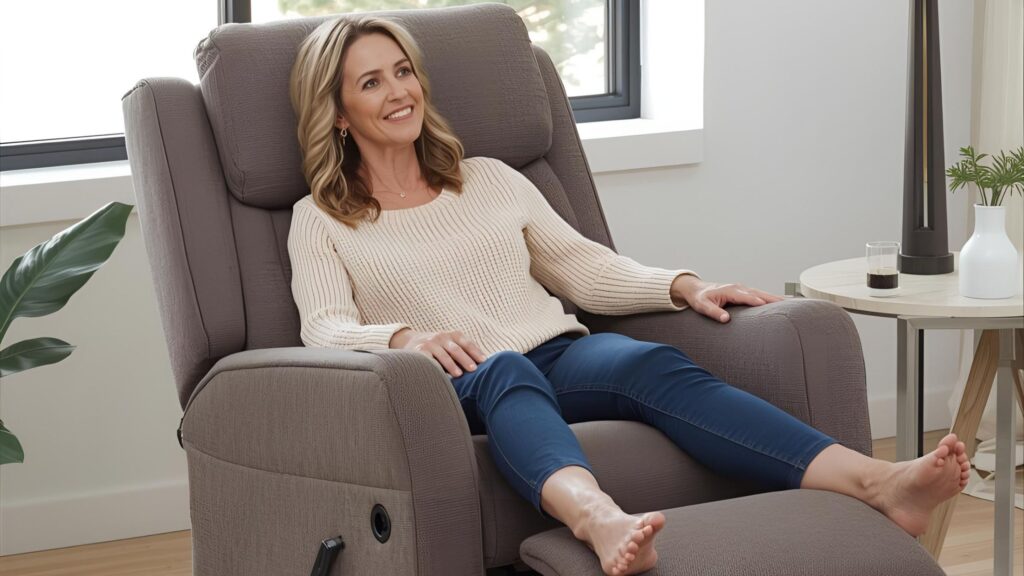
Importance of Back and Joint Support in Recliners
Back pain and joint discomfort are common challenges for seniors, people living with mobility issues, and those recovering from injury. The right recliner can make a significant difference in daily comfort, reducing pressure on sensitive areas while supporting posture. Mobility recliner chairs are designed to provide not only relaxation but also therapeutic benefits, helping users maintain independence and quality of life.
At Adelaide Healthcare Equipment, we understand how vital comfort and functionality are. That’s why our range of mobility recliners includes specialised models that address both back and joint support.
Understanding Mobility Recliner Chairs
Unlike standard chairs, mobility recliner chairs are built with assistive mechanisms that make sitting and standing easier. They often feature motorised adjustments, customised support areas, and durable designs suitable for long-term use. For seniors and those with limited mobility, these chairs can be essential in reducing strain on the body.
Mobility recliners are particularly valuable for aged care settings and NDIS participants, as they combine comfort with essential safety features. They also support carers by reducing the physical effort required to assist loved ones.
Key Features to Look for in Recliners
Adjustable Headrest and Lumbar Support
A supportive recliner must provide proper spinal alignment. Chairs with adjustable headrest and lumbar support allow users to customise their seating position, ensuring comfort and reduced strain. See our adjustable headrest and lumbar support recliner for a model that offers targeted relief for back and neck issues.
Hi-Low Power Recliners
Hi-Low power recliners make it easier to sit down and stand up by adjusting the seat height at the touch of a button. These are ideal for seniors with knee or hip problems. Our Hi-Low power recliner is designed for maximum independence and is also well-suited for aged care facilities.
Riser and Rise & Recline Mechanisms
Riser recliners gently tilt forward to help users stand safely, reducing stress on the back and joints. Rise & recline mechanisms also adjust to different positions, offering personalised comfort. These chairs are particularly helpful for people recovering from surgery or managing chronic conditions like arthritis.
Electric Assistive Features for NDIS Participants
Mobility electric recliner chairs with electric assistive features are NDIS-approved solutions that can be customised to suit individual care needs. These assistive recliner chairs for aged care and disability support ensure accessibility, making them an excellent option for participants seeking both comfort and funding approval.
Benefits of Mobility Recliners for Seniors and Aged Care
Mobility recliners offer multiple benefits beyond comfort:
- Reduced Pain: Pressure relief for back, hips, and joints.
- Improved Circulation: Adjustable leg elevation reduces swelling and supports circulation.
- Increased Independence: Electric controls make it easier to change positions without assistance.
- Safety: Riser functions prevent falls during transfers.
For families caring for elderly loved ones, these benefits translate to improved quality of life and reduced strain for carers.
Occupational Therapist Recommendations
Occupational therapists often recommend disability recliner chairs for elderly people in Adelaide as part of mobility care plans. Their advice typically includes selecting recliners with adjustable features, firm lumbar support, and safety functions suited to individual needs. Consulting with an occupational therapist before purchase ensures the right fit for each user.
Choosing the Right Recliner for Your Home or Aged Care Facility
When selecting a recliner, consider the following:
- Individual needs: Does the user need help standing, extra lumbar support, or head positioning?
- Environment: Will the recliner be used in a personal home or shared aged care setting?
- Funding support: NDIS approved recliner chairs Adelaide residents can access may qualify for financial assistance.
- Trial options: Whenever possible, test the chair in a real setting to ensure comfort and usability.
You can browse our store for mobility recliners, or book a home trial to experience the comfort firsthand before making a decision.
Conclusion: Enhancing Comfort, Safety, and Independence with Recliners
Mobility recliner chairs are more than a luxury—they are an investment in health, safety, and independence. By supporting back and joint health, they allow seniors and people with disabilities to live more comfortably and confidently. Whether at home or in aged care, the right recliner improves daily living and reduces strain on carers.
If you’re ready to find the right solution for your needs, you can contact us for expert advice or view our full recliner collection today.
Frequently Asked Questions (FAQs)
- What is the difference between a standard recliner and a mobility recliner?
A standard recliner focuses on relaxation, while a mobility recliner includes features like riser mechanisms, lumbar support, and electric adjustments for health and safety. - Are mobility recliner chairs covered by NDIS funding in Adelaide?
Yes, many NDIS approved recliner chairs are eligible for funding if they meet the participant’s care needs. Our team can assist with information to support your application. - How do riser recliners help with joint problems?
Riser recliners gently lift the user into a standing position, reducing pressure on knees, hips, and lower back. This makes movement safer and more comfortable. - Can mobility recliners be used in aged care facilities?
Absolutely. Mobility recliners are widely used in aged care because they improve safety for residents and reduce strain on staff during transfers. - How do I know which recliner is right for me?
Consider your mobility needs, comfort preferences, and whether you require NDIS support. Booking a home trial can help you make the best decision.