
Ensuring Safe and Comfortable Toileting for Seniors
For seniors and individuals with mobility challenges, safe access to toilets is crucial. A wheelchair commode provides essential support, ensuring comfort and independence. Families, caregivers, and aged care facilities in Adelaide can benefit from understanding the differences between portable and fixed commodes to make informed choices. At Adelaide Healthcare Equipment, we provide a range of assistive commode wheelchair Adelaide solutions, from portable foldable models to fixed options, suitable for home or aged care use.Understanding Wheelchair Commodes
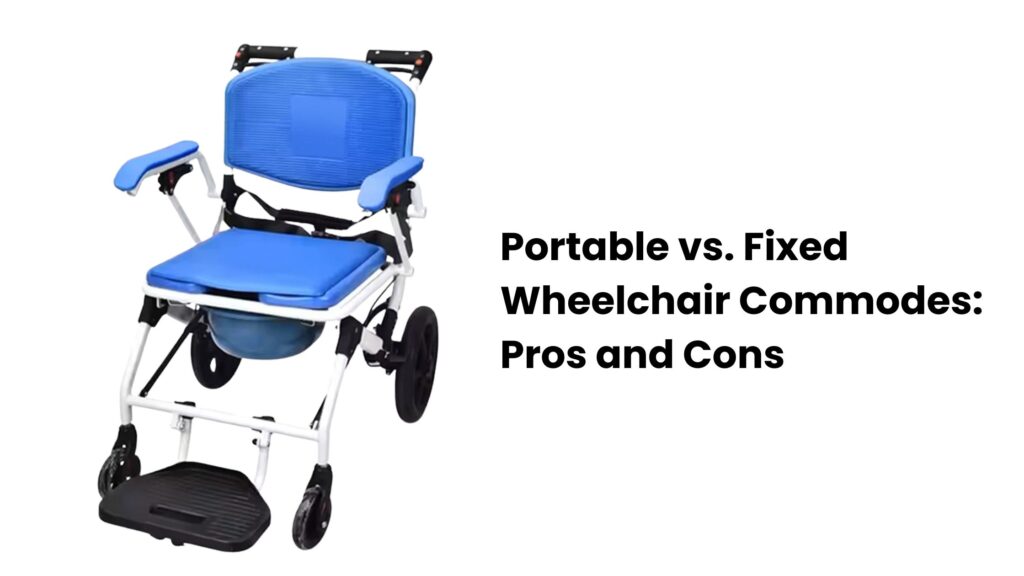
Wheelchair commodes are mobility aids designed to support toileting safely. They come in several forms:1. Portable/Foldable Wheelchair Commodes
The Foldable Wheelchair Commode is lightweight, compact, and easy to transport. Ideal for home or community use, it allows seniors to maintain independence while saving space.2. Fixed Wheelchair Commodes
Fixed commodes are stationary units that provide robust stability and are suitable for consistent use in one location. They are commonly installed in bathrooms for seniors or disabled individuals needing daily support.3. Reclining Wheelchair Commodes
The Reclining Wheelchair Commode offers additional comfort for users who require a reclined position due to medical conditions or prolonged use.Pros and Cons of Portable Commodes
Pros:- Easy to fold and transport for home or travel
- Suitable for small spaces or shared living areas
- Lightweight and easy to manoeuvre
- Can be used indoors or outdoors
- May offer less stability compared to fixed units
- Limited weight capacity in some models
- Requires setup each time it is used
Pros and Cons of Fixed Commodes
Pros:- Stronger and more stable frame
- Designed for frequent, daily use
- Often comes with enhanced safety features like arm supports and anti-slip surfaces
- Not portable, limited to one location
- Requires installation space
- Can be heavier and less versatile
Features to Consider When Choosing a Wheelchair Commode
When selecting a commode, consider:- Adjustable height and footrests: Ensures proper posture and comfort
- Armrests and support features: Facilitates safe transfers
- NDIS approval and funding eligibility: Covers suitable models under NDIS bathroom equipment Adelaide
- Weight capacity: Matches user requirements
- Mobility options: Self-propelled or stationary depending on needs
NDIS Approved Commodes and Funding Options
Eligible seniors and NDIS participants may access funding for:- NDIS commode wheelchair: Covers portable, foldable, or fixed options
- Folding commode chairs for NDIS participants: Ensures support and independence for daily routines
- Assistance in selecting the right model to meet individual mobility and safety needs
Occupational Therapist Recommendations and Safety Tips
Occupational therapists can provide valuable guidance when choosing a commode:- Assess mobility, strength, and user comfort
- Recommend reclining wheelchair with commode or foldable options based on needs
- Ensure proper safety features, including anti-slip surfaces and secure brakes
- Offer tips for safe transfer and use at home or in aged care settings